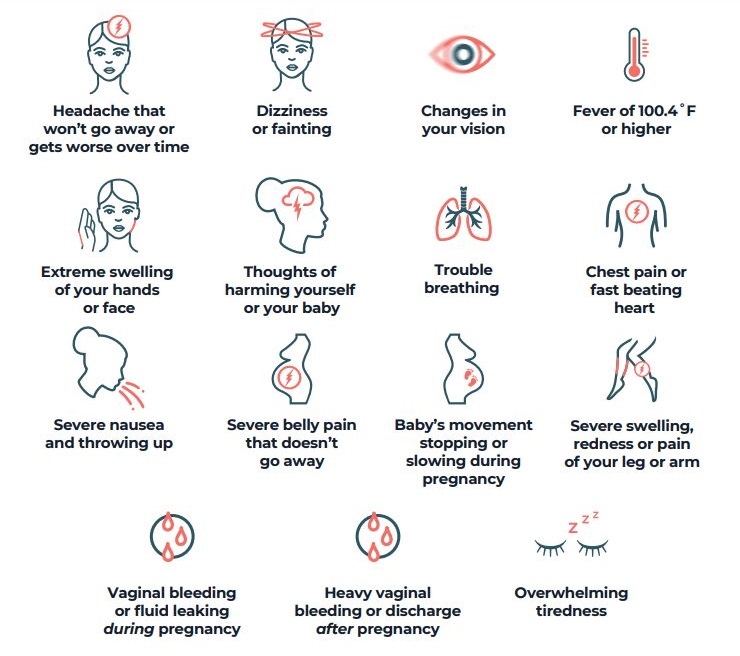
We’ve heard it time and time again—maternal health in the U.S. lags behind other developed countries, and Black women are nearly three times more likely to die from pregnancy-related complications than White women. But the conversation often stops there. Women are left feeling anxious and afraid, with little information on what these risks actually entail or how to prevent them. So let’s talk about that.
Leading causes of maternal death include:
- Heart disease
- Hypertension/Preeclampsia
- Complications related to obesity and diabetes
Before conception, optimizing these health concerns and ensuring proper medical monitoring can be lifesaving. During pregnancy, recognizing warning signs is critical. Providers must listen to and assess concerns, while patients need to feel empowered to speak up and advocate for themselves—and for friends and family members.
I believe every pregnant person should have a few essential items at home:
- A thermometer
- An automatic blood pressure monitor
- Pedialyte (or another form of liquid hydration) alongside water
- Tylenol, particularly in case of potential preeclampsia. Headaches are common in pregnancy, but a persistent headache that doesn’t improve with a regular dose of Tylenol could be cause for concern and require further evaluation.
Prenatal care is vital—before conception, understanding your numbers and risk factors; during pregnancy, screening for hypertension and diabetes to keep both parent and baby safe; and postpartum, monitoring for complications—including postpartum depression, which accounts for a significant portion of maternal mortality. According to JAMA, “Suicide during the perinatal period (eg, during pregnancy and ≤1 year postpartum) is a leading cause of maternal mortality in the U.S., contributing to 8.4% of pregnancy-related deaths.”
It’s time to move beyond fear and misinformation and focus on action. Education, early intervention, and advocacy can make all the difference in saving lives.
Love,
Dr. Wendy aka Dr. Every Woman
4 The Health Culture
 The Gyneco-(b)Logic